Our Approach
The Four Pillars of FAMA
FAMA's work is organized around four connected pillars — Education, Social Services, Environmental Care, and Community Events. Together they form one coordinated strategy for growing stronger neighborhoods, one family at a time.
A neighborhood becomes stronger not when a single program is brought in from the outside, but when the people, talents, and relationships already inside it are cultivated and coordinated. The four pillars are how FAMA organizes that cultivation — each one addresses a real need, and together they reinforce one another through the Garden Model.
Explore each pillar to see the needs it addresses, the programs and initiatives behind it, how you can participate, and the impact it creates in the neighborhoods we serve.
Four Pillars
One Strategy, Four Ways We Show Up
Pillar One — Education
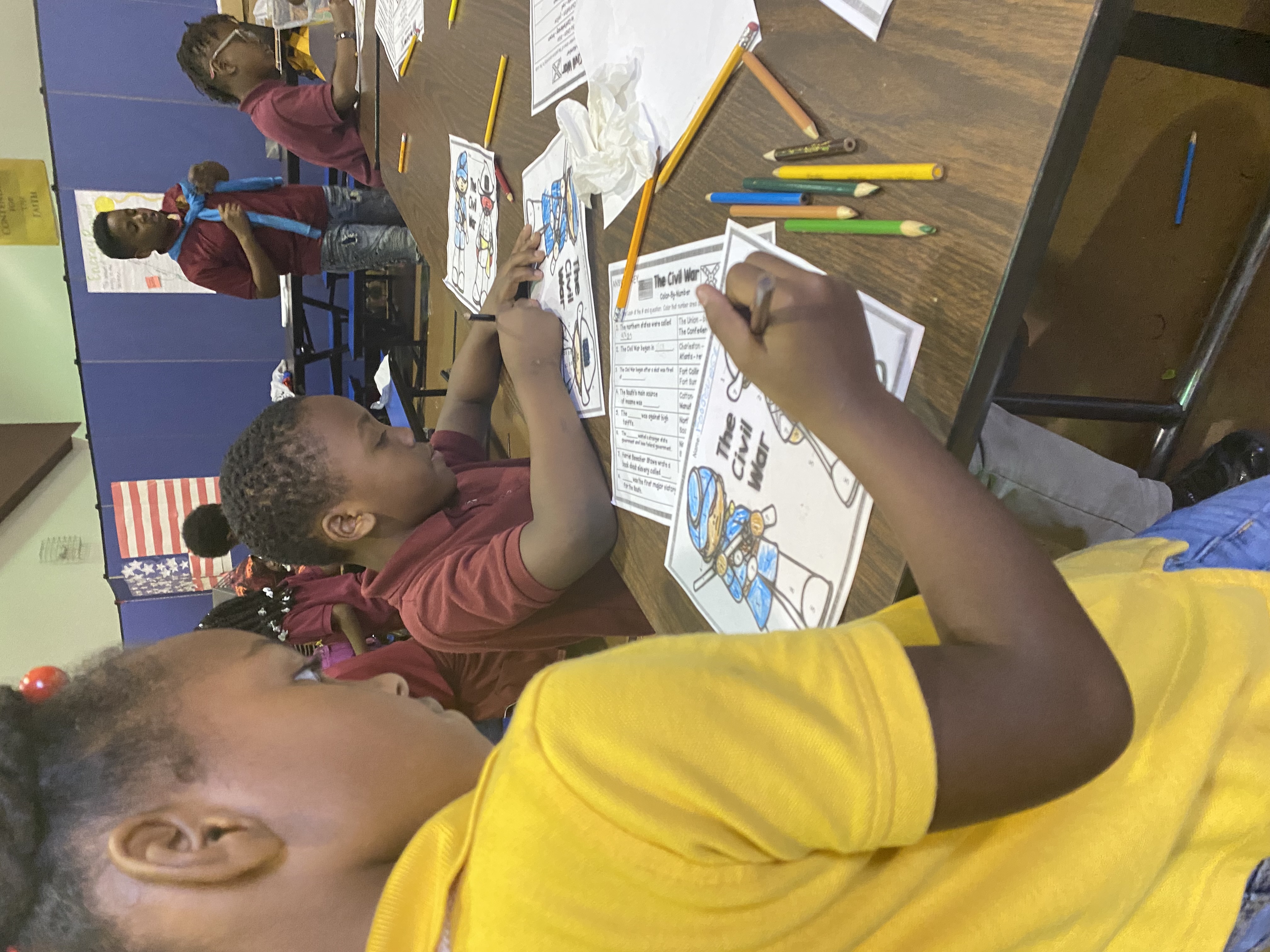
Education
A student's potential is worth showing up for.
Christian education, mentoring, tutoring, and practical learning that help children grow into everything they were made to be.
Explore the pillar
Pillar Two — Social Services
Social Services
Meeting neighbors where they are.
Resource navigation, senior support, and Pathways Home outreach that connect neighbors with the help and relationships they need to find stability.
Explore the pillar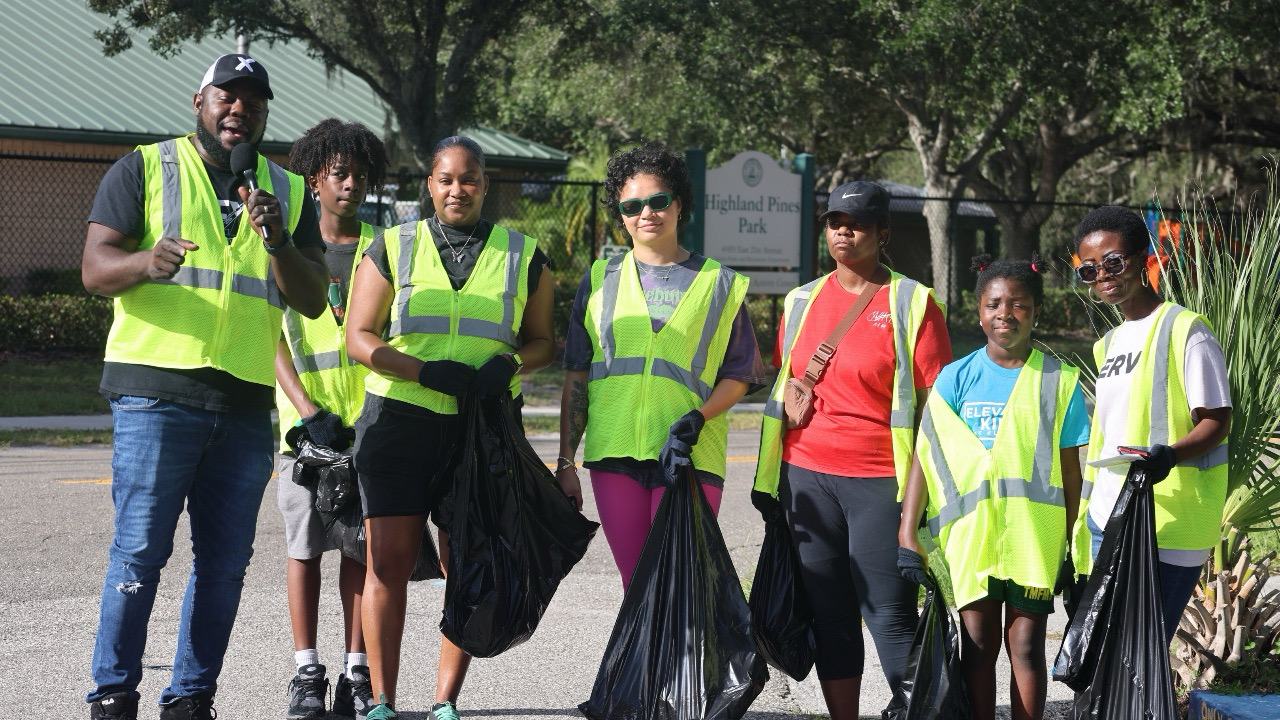
Pillar Three — Environmental Care
Environmental Care
Caring for the place we share.
Neighborhood cleanups, beautification, gardens, and senior property assistance that show a place — and the people in it — matter.
Explore the pillar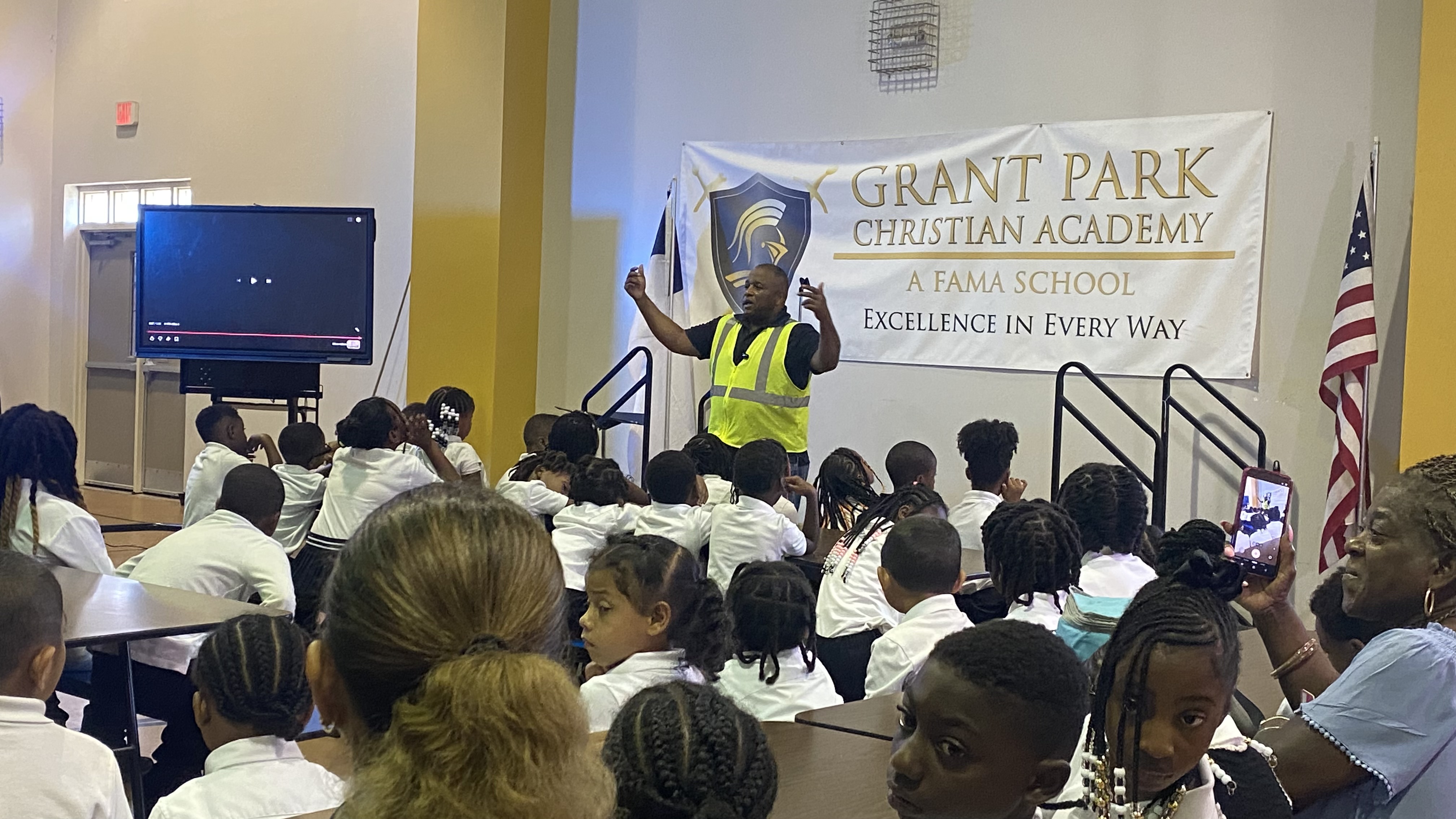
Pillar Four — Community Events
Community Events
Gatherings that build a neighborhood.
Gatherings that celebrate families, create opportunities to serve, and strengthen the bonds that hold a neighborhood together.
Explore the pillarHow the Pillars Connect
The four pillars don't operate in isolation. A student sponsored through Education may have a grandparent checked on through Social Services. A family met at a Community Event may join an Environmental Care cleanup. The Garden Model weaves these pillars into one coordinated strategy that grows a neighborhood — not just a service.